The crude oil is a great resource that is used all over the world every day. In this blog post, we will discuss the crude oil types that are used in the markets all over the world. These types have to be understood so that you can look up the various filtration modes that these crude oil products use.
Following are the four types that we are discussing:
Light Distillates:
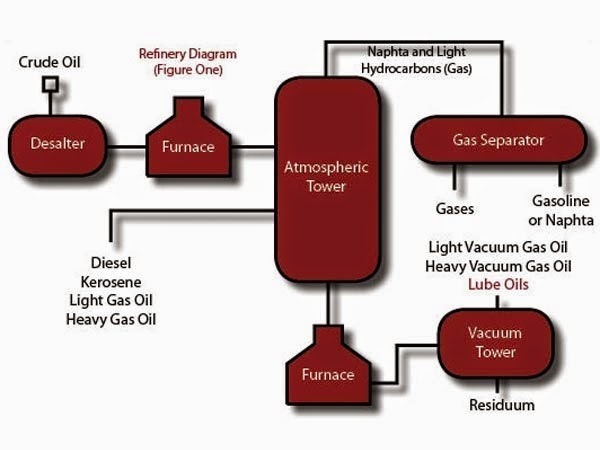
The light distillates are the OIL FIELD ASSISTANT that have high volatility, and that means they are easily combustible and will also evaporate if left in the open air. They are considered the highest quality of oils produced in the crude oil extraction process and are the lightest in chemical composition. The oils such as Kerosene, light and heavy Naphtha, Petroleum Spirit, Petroleum Naphtha, Gasoline, Jet Fuel, and Petroleum Ether are all forms of the light distillates.
Middle Distillates:
The grade 1 and grade 2 fuel oils and diesel that is a part of the middle distillates category include the usual domestic fuels, light, crude marine gas oils, and similar diesel-based products. These oils are also considerably volatile but are less volatile than their lighter counterparts. They are also comparatively less evaporative and their fumes are toxic as well.
Medium Oils:
This is the most extensive category of crude oil with a lot of leftover forms of crude oil being used on more everyday purposes. These are less volatile oils with an increased toxicity level and all the usual oil spills in the oceans are mainly these forms of oils.
Heavy Crude Oils:
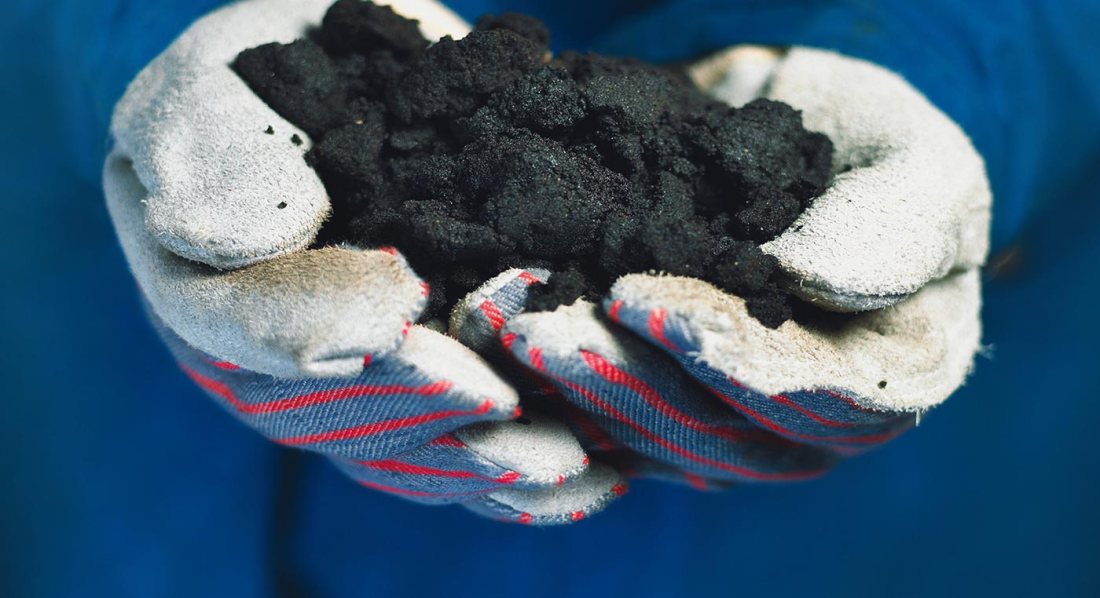
Heavy crude oils are also known as heavy fuel oils and include grades 3, 4, 5 and 6 fuel OIL ADDITIVES also known as Bunker B & C. The intermediate heavy marine fuels are included in this list. There is minimal evaporation of these oils and they are highly toxic in nature. They have a strong tendency to be toxic for fish, fowl and fur-bearing creatures. They also cause long term contamination of water and soil that they come across.
There are more than 160 different forms of crude oils but they are usually all falling in one of these categories.
We would love to know what you find out on the purification of all of these crude oils.
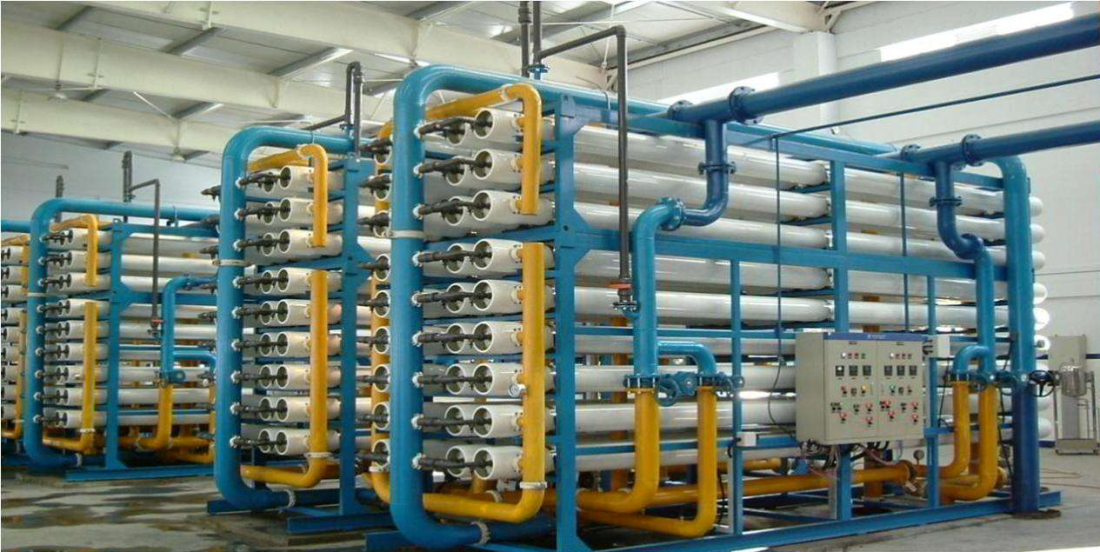
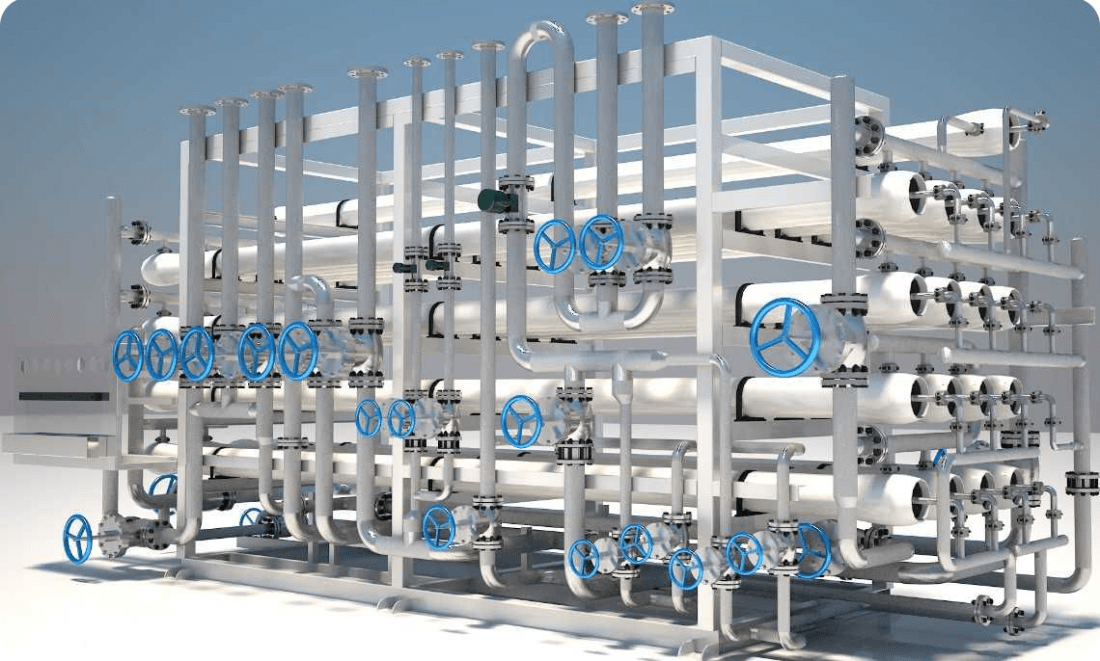
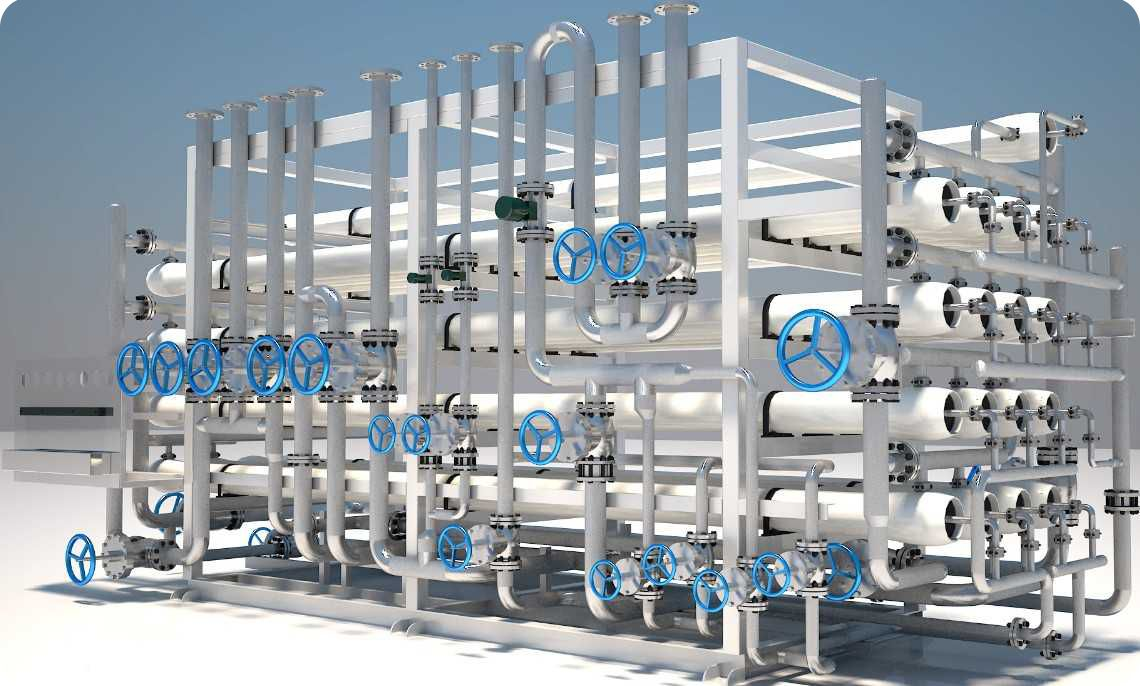
Reverse Osmosis water filtration system, commonly known as RO Plant is an effective way to get the RO water filtration system needs to be met that you may have at home. The reason is that RO plants are a good way to filter out tap water or open-sourced water that the local water transplant system may not be adequately cleaning. This blog will discuss the main components of the RO plant water in detail so that you can understand the process on a deeper level.
Quality Assessment: If all the RO plants are using the same components then how are the differentiated upon? Well, the process is extensively arduous on the components so the quality of the components is the defining factor in differentiating between the RO plants filtration’ price range and specifications variety.
Cold Water Line Valve:
The valve line that fixes into the water supply that the plant receives has a tube attached that is connected to the inlet fixture of the RO pre-filteration. The water comes into the device from the cold water line valve.
Pre- Filters:
The water that comes from the cold supply line now enters the first step of filtration. The RO plant may have more than one pre-filter but the most common pre-filter is used to filter out sediment and there are also a few carbon filters. These filters protect the actual filter by cleaning out the sand silt, sediments, and other dirt as they could clog the system.
Reverse Osmosis Membrane:
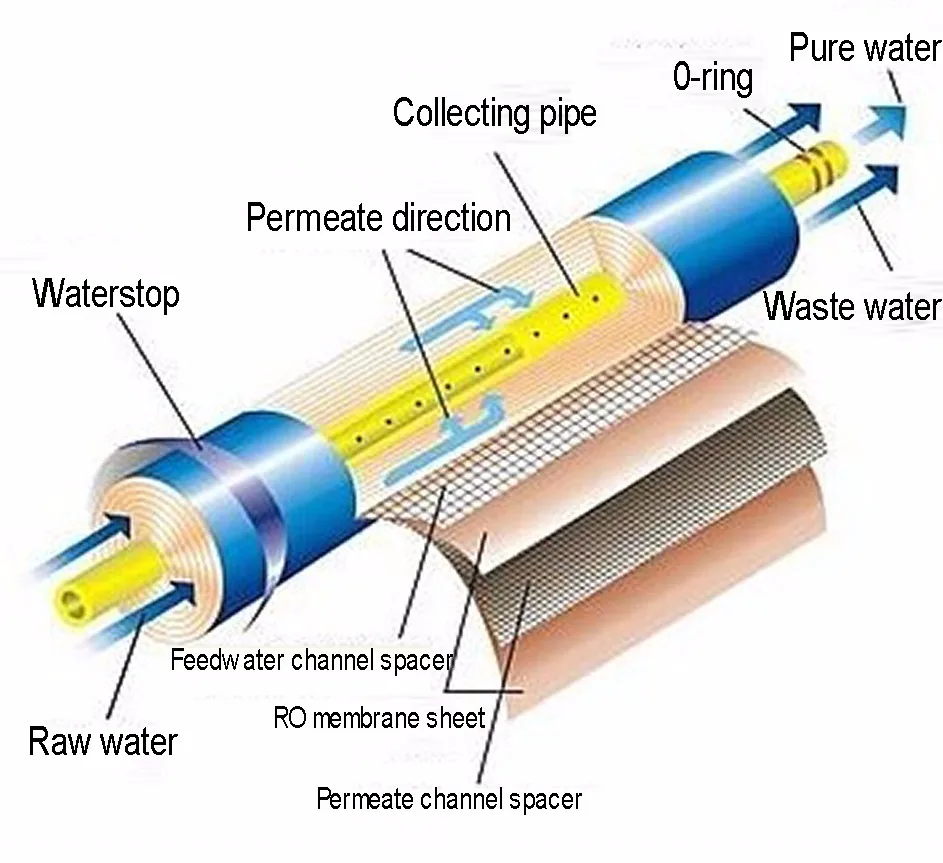
This is the main filter in the RO plant with a semipermeable RO in pakistan membrane that will take out all the fine particles such as excess of chemicals, biological pollutants and finner particles that are contamination.
Post Filter:
Now the water goes into a post-filter where the filter is basically a carbon filter. The post-filter is also known as the polishing filter because it is designed to take out any of the remaining impurities that the water may have.
Automatic Shut Off Valve:
The water from the source gets filtered out in a quick moment and is stored in the storage tank. Now the storage tank can become full that is why the RO plant services has an automatic shut off valve that shuts off the further entry of water into the filter when the water levels in the storage tanks reach a certain level.
Check Valve:
The check valve is there to ensure that the filtered water does not flow back into the RO membrane to disbalance the equilibrium.
Storage Tank:
The storage tank can take up to 2-4 gallons of water in a standard RO plant. This is the capacity of a standard under the sink RO Plant with dimensions of 12 inches and 15 inches.
This is the basic principle of activity in a standard RO plant. The film membranes are provided by the Innovative Water company with the best quality for you to use in your RO plant.
Share your thoughts on the topic in the comments section.
The higher water waste treatment is mostly conducted through Cationic Poly Acrylamide (CPAM) using a wide range of filtration processes that are focused on the various kinds of processes. This blog post will discuss all of these processes in greater detail so that the reader has a deeper understanding of all the processes underuse.
Primary Clarification of Waste Water Treatment:
This is the least amount of processing that water filtration treatment centers are willing to conduct. The main focus is to remove suspended solids and organic matter from the wastewater. The process used to achieve this goal is sedimentation as it focuses on taking out the heavy particles. Cationic Poly Acrylamide is the solution that is used to reduce organic debris in the water. The organic debris combines with the chemical and makes heavier and strong particles that do not pass through the gravel used in sedimentation.
Secondary Wastewater Treatment:
The secondary water treatment process assumes that all the heavy particles and organic molecule concentration have been already taken out of the water stream. Now the water will be treated for the biological molecules and their eradication. The following are the steps that are taken to successfully ensure that. These processes are as follows:
Biofiltration:
The process utilizes contact filters, general filters, and trickling filters to ensure that the water filtration is clearing out the bacterial impurities of the water. The process focuses on aerobic biological processes to reduce the bacterial concentration of impurities in the water.
Aeration:
The process focuses on increasing the oxygen saturation of water by bursting intense air into the water. It is a long process as the water needs to be processed with intense air for 30 hours but the process also ensures that all the contamination is completely eradicated.
Dissolved Air Flotation (DAF):
This is another form of water filtration that focuses on the wastewater treatment through pressurizing the water with air. This process does have similarities to aeration but these two different processes.
In DAF, the water is passed through the air that dissolves into water, the air is passed through the water under intense pressure. Now that the air has filled the water, the air is now released at atmospheric pressure ina floatation tank basin. Now all the suspended material bonds with the air particles in the water and become foam. The foam is skimmed out of the water and it takes away all of the impurities with it.
DAF as a water treatment is not only used for general water treatment but it widely used in cleaning out the industrial wastewater as well. The wastewater from oil refineries, paper mills, processing plants, general water treatments, and other industrial facilities. There is another similar process of induced gas floatation that is also commonly used for industrial water treatment.
These are the main processes used for water treatment using the Cationic Poly Acrylamide (CPAM) as a catalyst for water cleaning processes. We look forward to your comments!
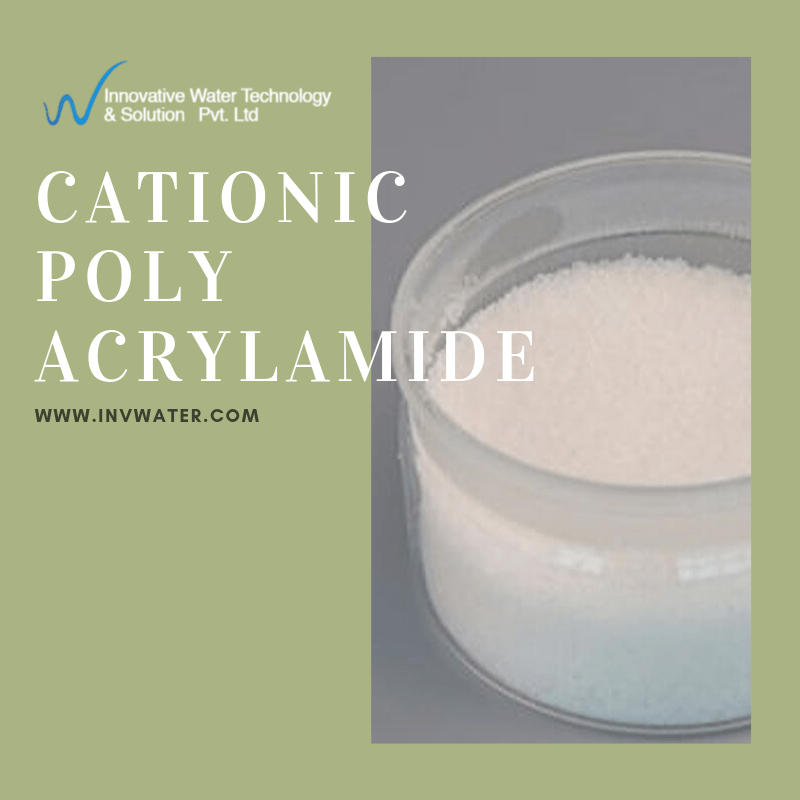
Cationic Poly Acrylamide(CPAM) is a linear polymer compound. Because it has a variety of active groups, it can be affinity with many substances and form hydrogen bonds. Mainly flocculates negatively charged colloids with the functions of removing turbidity, decolorization, adsorption, adhesion and other functions. It is suitable for organic colloid content in industries such as dyeing, papermaking, food, construction, metallurgy, mineral processing, pulverized coal, oil fields, aquatic products processing and fermentation. Higher wastewater treatment is particularly suitable for the dewatering of municipal sewage, municipal sludge, paper sludge and other industrial sludge.
Specifications:
※ Appearance: White powder or granular appearance
※ Solid content: ≥90%
※ Molecular weight: 800-1200 million
※ Insoluble matter: ≤0.5%
※ Residual unit: ≤0.05%
※ Cation degree: 10-90 %
※ Dissolution time: ≤60 minutes
The Scope of Application:
1) For sludge dewatering depending on the sludge properties, the corresponding grades of CPAM products can be used. The sludge can be effectively dewatered before the sludge enters the pressure filtration. When the sludge is dewatered, large flocs and non-sticky filter cloths are produced. Scattered, thick mud cake flow, high dewatering efficiency, mud cake moisture content below 80%.
2) For the treatment of domestic sewage and organic waste water, cationic poly acrylamide products are all positive in compatibility or alkaline medium, so that the flotation and sedimentation of sewage with suspended particles in the sewage with negative charge is very effective. Such as the production of grain alcohol wastewater, papermaking wastewater, municipal wastewater treatment plant wastewater, brewery wastewater, monosodium glutamate wastewater, sugar wastewater, organic high wastewater, feed wastewater, textile printing and dyeing wastewater, using cationic poly acrylamide than anion, Non-ionic poly acrylamides or inorganic salts are several or more times more effective because such wastewaters are generally negatively charged.
3) The flocculating agent for tap water with river water as the source of water is less in amount, effective, and low in cost, especially in combination with inorganic flocculants. It will become the tap water for the Yangtze, Yellow and other river basins. The plant’s efficient flocculant.
Usage 1).Through a small test to determine the best model, and the product’s optimal dosage.
2). The product is formulated as an aqueous solution with a concentration of 0.2% (referring to the solid content), preferably neutral water without salt.
3). Dissolved water, the product evenly sprinkled into the stirring water, appropriate heating (<60 °C) can be accelerated into a solution (stirring time is about 40 minutes).
4). Solid products should not be sprinkled on the floor to prevent the product from becoming slippery after absorbing moisture.
5). The preparation of PAM aqueous solution should be carried out in enamel, galvanized, aluminium or plastic barrels. It cannot be prepared and stored in iron containers.
6). When dissolving, care should be taken to add the product evenly and gradually to the dissolver with stirring and heating measures. The solidification should be avoided. The solution should be prepared at a suitable temperature, and mechanical shearing should be avoided. Mixer 60-200 rev / min, otherwise it will lead to polymer degradation, affecting the use of effects.
7). The PAM solution should be ready for use. When the solution is left for a long time, its performance will gradually decrease depending on the water quality.
8). After adding an aqueous flocculant solution to the suspension, if the stirring is vigorously performed for a long time, the formed flocks will be destroyed.
Packaging, Storage and Handling and Precautions: Solid products are packed in paper bags, lined with plastic bags, 25kg per bag, and can also be packaged according to customer requirements.
This product has hygroscopicity, should be sealed and stored in a cool dry place, the temperature is lower than 35 °C, the effective storage period is 2 years.
The water treatment is conducted through various processes that are commonly available online. But what are the various ways of conducting water cleaning and what aims are they trying to achieve? This blog post will outline all of these steps and explain how various treatments processes are aimed at making water more compatible with human consumption.
METAL INDICATORS:
The metal element index is one of the key devices that are used to evaluate the water’s metallic balance. This is because the metallic component like lead, arsenic, and copper should not be higher than 0.1 mg/L. The level of metallic content is usually higher in water purifiers because the water keeps circling the atmospheric ecosystem and absorbs an immense amount of metallic components present in the system. The human body cannot take metallic content that is higher than 0.6 ~ 0.8 mg/L as it destroys the liver and kidneys and causes metal poisoning.
ORGANIC INDEX:
The organic index is mainly the other half of metallic indication because the same ecosystem that pushes an exuberant amount of metallic content into the water purification also pushes an immense amount of organic or acidic content as well. Carbon-based chemicals are the most commonly occurring chemical compounds that naturally occur in the water cycle of the Earth. That leads to the accumulation of chemicals like chloroform, carbon tetrachloride, monochloromethane, monobromodichloromethane, bromoform, and dibromodichloromethane among many others. All of these organic components are highly acidic in nature and increase the pH of the water considerable. These compounds are collectively named as halogenated alkyl. Another commonly found compound is the Chlorine Dioxide because it is commonly used as a disinfectant in water that is not aimed for drinking. This leads to an abundance of chlorine in the water as well. These components are considered to be closely responsible for the increase in chances of cancer in the consumers.
BIOLOGICAL INDICATOR:
The number of biological elements such as coliform bacteria, colonies, molds, yeasts, and pathogenic bacteria is all a part of the microbial analysis. As biological elements are living organisms, they grow continuously so their levels have to be kept near to non- existent so that they cannot exceed the recommended amount. If the water is allowed to become polluted, then the water can have dangerous bacterium such as Escherichia coli that cause diarrhea in humans. More significant microbial growths include salmonella, staphylococcus aureus, streptococcus b. Salmonella and shigella that can cause enterotoxins that can be even life-threatening with intense gastrointestinal symptoms.
Nitrite Content: The nitrite content grows in water due to the presence of pesticides in agriculture that becomes a part of the ecosystem. The concentration of nitrite has to be less than 0.01 mg/L or else nitrite toxicity is a highly dangerous process in the human body.
These are the main components that are evaluated in the water purification processes so that the water becomes more stable and will become good for human consumption. Let us know your thoughts on the subject in the comments below.
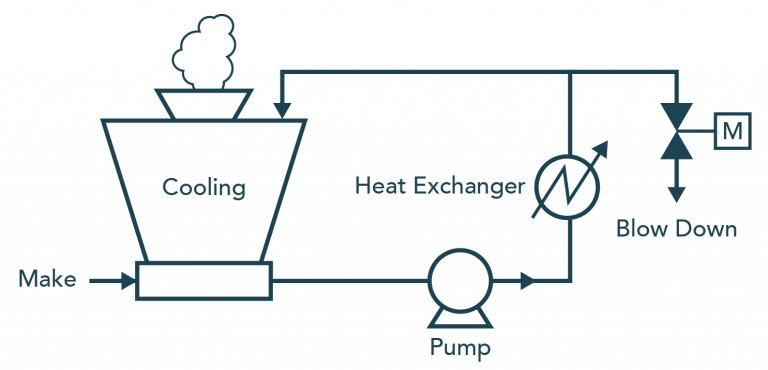
This is a broad-spectrum antisepsis algicide with high efficiency and long effects. It shows powerful killing and inhibitory properties for fungi cooling water and algae. It features low cost and no drug resistance. It is a combination of quaternary ammonium salt and isothiazolinone and other additives.
This product has a wide range of application, low use concentration, good compatibility, can be added to water in any way, has recirculating a very good stability, and good compatibility Non-oxidizing Fungicide with corrosion inhibitors, scale inhibitors, water purifiers, etc. It has a rapid killing effect on bacteria and algae, and can have a strong peeling function on the secretory mucus produced by the bacteria and algae for sterilization and slime peeling of circulating cooling water.
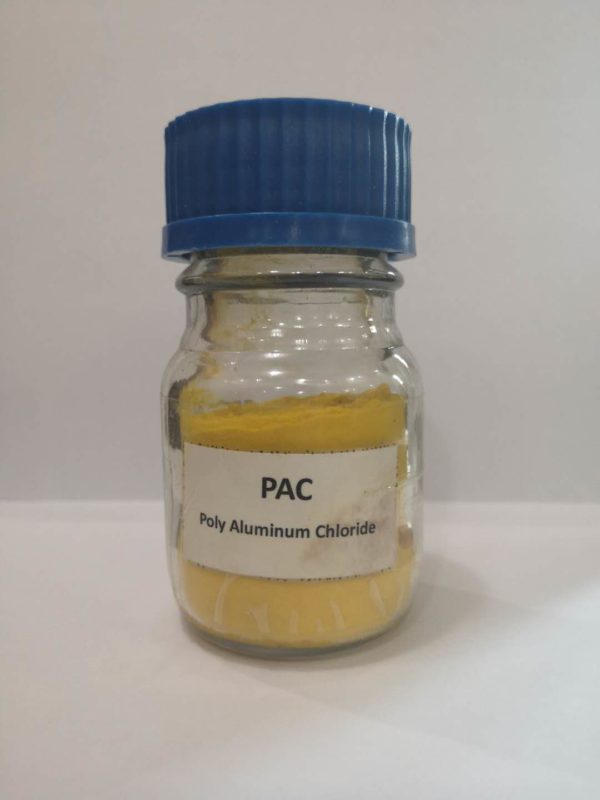
Poly Aluminium Chloride (PAC), is a water-soluble inorganic polymer between AlCI3 and Al(OH)3, its general formula is [Al2(OH)nCl6-nLm], of which m represents the degree of polymerization and n represents the degree of neutrality of PAC products. This product has strong bridge adsorption performance. During the hydrolysis process, condensation, adsorption, precipitation as well as other physical and chemical processes also occurs at the same time.
The fundamental difference between poly aluminium chloride and traditional inorganic coagulants is that the traditional inorganic coagulants is low molecular crystal salt, but the structure of poly aluminium chloride is composed of polycarboxyl complex with variable morphology, it has high speed of flocculating and precipitating, suitable for wide PH range, no corrosive to pipeline equipment, obvious water purification effect, it can effectively remove chromaticness, Suspended Solids(SS), Chemical Oxygen Demand(COD), Biochemical Oxygen Demand(BOD) and such heavy metal ions as arsenic and mercury in the water. This product is widely used in drinking water, industrial water and wastewater treatment field.
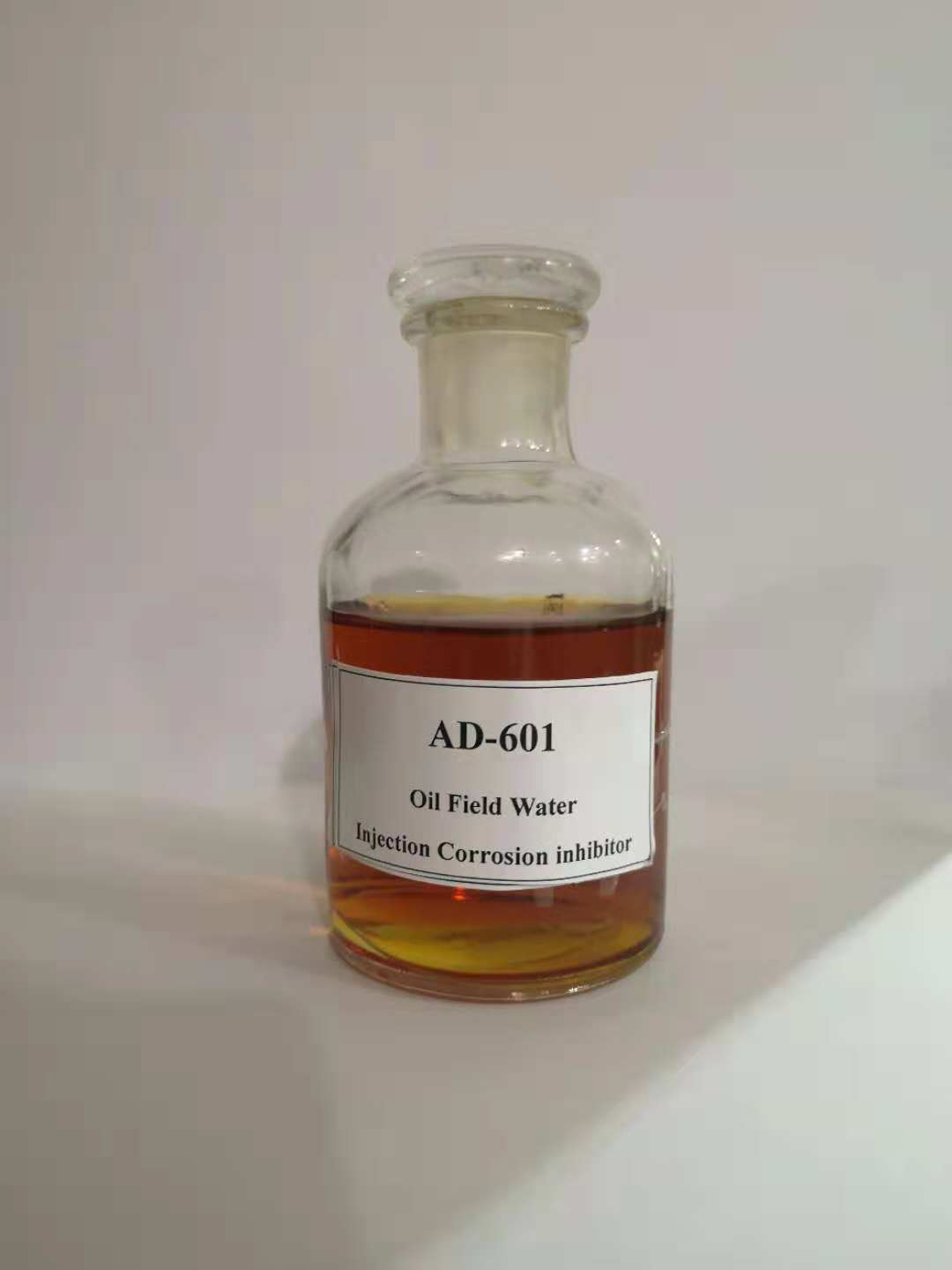
This product is compound mainly by imidazoline quaternary ammonium salt with some other corrosion additives, surfactants, etc. It has good corrosion resistance, good solubility, low emulsifying tendency and can be used in combination with many other chemical agents. It can inhibit both uniform corrosion and pitting corrosion It is an ideal corrosion inhibitor for water injection system in oil field.
It is suitable for corrosion prevention of sewage treatment and closed water injection system and dissolved pipeline in high mineralization oil field.
Description
Specifications
Item
Index
Appearance
Orange-yellow to reddish brown liquid
Density (20℃),g/cm3
0.95-1.05
PH ≥
7.0
Condensation point ℃ ≤
-4.5
Solubility
Soluble in water
Corrosion rate,mm/a ≤
0.076
Usage
The concentration used is usually 50-100 PPM.
Package and Storage
200kg plastic lined iron drum or 25kg plastic drum package.
Store in a cool, dry place indoors with a shelf life of one year.
Pure water, clean water or pure water for short, is a pure, clean, do not contain impurities or bacteria in the water, in accord with hygienic standards for drinking water water as raw water, by electrodialysis method, ion exchange method, reverse osmosis, distillation and other appropriate, processing method, the seal in the container, and do not contain any additives, colorless, transparent, can be directly drinkable. The space water that sells on the market, distilled water belongs to pure water. Sometimes the word is also used with distilled water or rainwater from a chemical laboratory.
METAL INDICATORS
The metal element index stipulates the content of lead, arsenic and copper in the standard, and lead and arsenic shall not exceed 0.1mg/L, which mainly comes from the environment affected by human activities, including soil and river pollution. As lead, arsenic is poisonous and harmful elements, but by respiratory or digestive tract into the body and accumulation in the body, the lead content in the blood is 0.6 ~ 0.8 mg/L can damage the internal organs, and arsenic compounds will cause poisoning, so their levels should be as small as possible, and copper in the standard stipulated in the must not exceed 1.0 mg/L, while copper is not harmful elements, but it is not the more the better material, for pure water, one of the symbols of is to measure the degree of purity.
ORGANIC INDEX The organic index is mainly embodied in the national standard for the chloroform and carbon tetrachloride content of the provisions. Because the quality problem of barreled pure water providers in karachi is mainly concentrated on microorganism detection exceeding the standard, in order to solve this problem, many manufacturers are not from the production process, quality management, but only through the quantity to try to solve the problem of microorganism pollution of pure water, commonly used disinfectant for chlorine disinfectant such as chlorine dioxide. Barreled pure water can produce some new organic halogenates due to chlorination disinfection, the main components are trichloromethane (chloroform) and carbon tetrachloride and a small amount of monochloromethane, monobromodichloromethane, dibromodichloromethane and bromoform, etc., collectively known as halogenated alkyl. After detection, the halogenated alkanes content in the chlorinated drinking water and tap water is generally higher than that in the source water. Among them, chloroform and carbon tetrachloride are of high content, which is harmful to human body. If drinking chloroform and carbon tetrachloride for a long time, the purified water exceeding the standard will lead to liver poisoning or even canceration. In order to protect the health of consumers, the national standard gb17324-1998 clearly stipulates that the content of trichloromethane and carbon tetrachloride in drinking pure water shall not exceed 0.02mg/L and 0.001mg/L respectively.
BIOLOGICAL INDICATOR In the national standards, the microbial indexes include the total number of colonies, coliform bacteria, pathogenic bacteria, molds and yeasts. From the detection of purified water in recent years, microbial indicators are one of the indicators that are easy to exceed the standard. This is due to microbial contamination in the production, processing, transportation and marketing of purified water. In production and processing, workers do not pay attention to personal hygiene, recycling bottles cleaning, disinfection is not strict, and even some manufacturers in order to reduce costs, recycling caps used again, due to the deformation of recycling caps, caused by the bottle mouth is not sealed may cause microbial pollution. The excess of microorganisms reflects the degree of water pollution. Among them escherichia coli achieves certain index, can cause human body diarrhoea. Pathogens include salmonella, shigella, staphylococcus aureus and streptococcus b. Salmonella, shigella contaminated water can cause acute intestinal infections, diarrhea, fever and other symptoms; The enterotoxin produced by staphylococcus aureus can cause poisoning, acute gastrointestinal symptoms and even life threatening. Streptococcus b is the main pathogen causing suppurative inflammation in human body. Mold and yeast widely distributed in nature, in the process of the growth of mold in the breeding in food absorb nutrients to the food in the food nutrition value is reduced, and odor, influence the sense of food, especially mould to grow in the process of producing toxins can cause chronic poisoning, severe cases can lead to cancer.
The content of nitrite is another important indicator in the national standard health index. Nitrite mainly comes from the nitrate in the soil near the water source, and the nitrate content is higher in the saline-alkali land, the nitrate fertilizer applied in large quantities and the soil short of molybdenum. Nitrite shall not exceed 0.002mg/L in the national standard.
THE PRODUCTION MECHANISM In the production process of high purity water, anions and cations in water can be removed by electrodialysis, reverse osmosis and ion exchange resin technology. In general, the particles in water can be removed by ultrafiltration, membrane filtration and other technologies. Bacteria in water, at present, the domestic use of medicine or ultraviolet lamp irradiation or ozone sterilization method to remove; Water TOC is generally activated carbon, reverse osmosis treatment. In the field of high pure water application, the purity of water is directly related to the performance, reliability and threshold voltage of devices, leading to low breakdown, defects, and affecting the few children life of materials. Therefore, high pure water requires high purity and precision.
Natural dissolved gases in water mainly include O2, CO2, SO2 and a small amount of CH4, radon and chlorine. In the production process of high purity water, it is also necessary to remove such gases. In order to effectively remove impurities, some chemical fungicides, such as formaldehyde, hydrogen peroxide and sodium hypochlorite, were added in the process of producing high purity water. These are some of the reasons why high purity water is not drinkable.
So what is pure water? Pure water refers to the water quality pure, does not contain any harmful substances and bacteria, such as organic pollutants, inorganic salt, any additives and various impurities, effectively avoid the invasion of the human body all kinds of germs, its advantage is that can be safely effectively supplement moisture to the body, strong solubility, strong affinity to the human body cells, therefore, it can promote metabolism.
It is water produced after deep treatment by ion exchange, reverse osmosis, fine filtration and other appropriate physical processing methods. Under normal circumstances, in the production process of pure water, only 50% to 75% of the source water is used, that is to say, 1 kg of tap water or groundwater can only produce about 0.4 kg of pure water, and the remaining 0.6 kg of water cannot be used as drinking water, can only be used for other purposes.
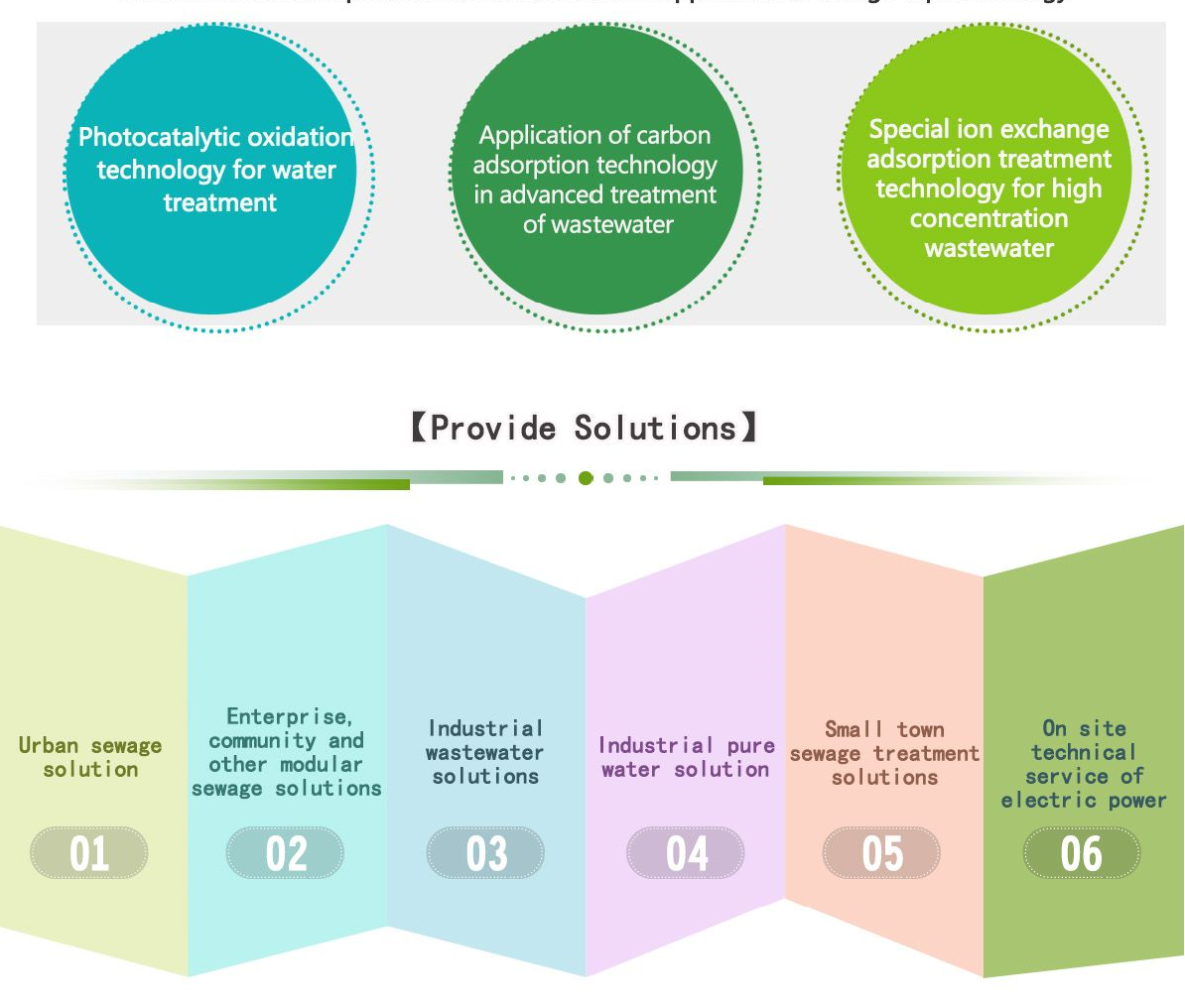
Based on science development and technology innovation and dedicated to the improvement of water environment, our company is a high-tech environmental protection engineering company specialized in the research and development of water treatment equipment and technology, engineering contracting and the installation as well as the commission of the mechanical and electrical equipment. Besides, our company is the earliest and biggest high-tech environmental protection chemical enterprise dedicated in comprehensively researching and developing the environmental-friendly water treatment agents in China. The company is mainly engaged in the installation, modification as well as improvement of EPC projects regarding to water treatment in karachi in the fields of electric power, industry, chemical industry, food processing, urban life and so forth.
Research and development and introduction and application of foreign top technology


 Heavy crude oils are also known as heavy fuel oils and include grades 3, 4, 5 and 6 fuel OIL ADDITIVES also known as Bunker B & C. The intermediate heavy marine fuels are included in this list. There is minimal evaporation of these oils and they are highly toxic in nature. They have a strong tendency to be toxic for fish, fowl and fur-bearing creatures. They also cause long term contamination of water and soil that they come across.



 Innovative Water