What is an Oil Field

Fracking In California Under Spotlight As Some Local Municipalities Issue Bans

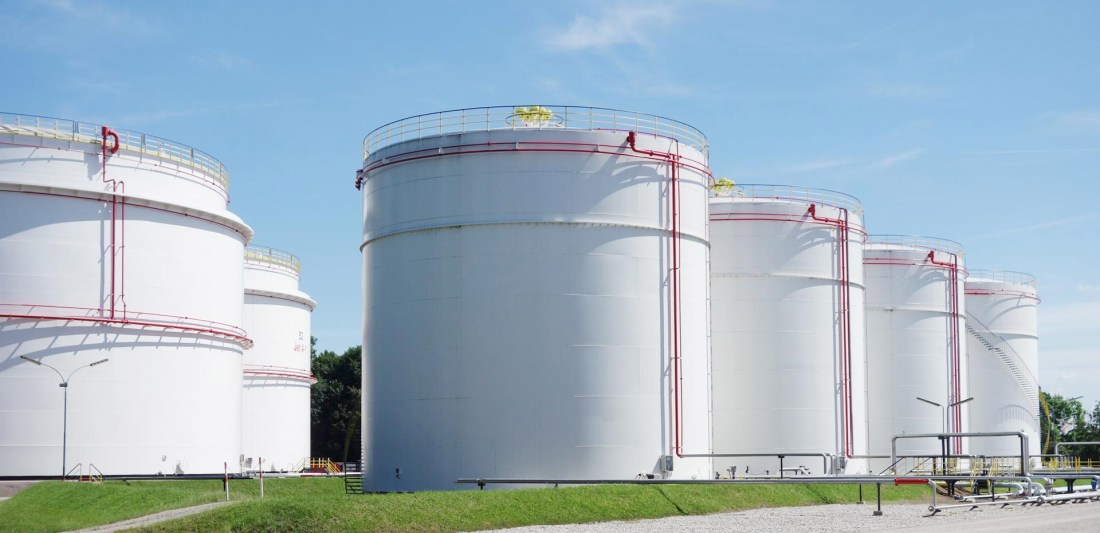
An oil field is a tract of land used for extracting petroleum, otherwise known as crude oil, from the ground. Although some contest the exact origin of oil, most consider petroleum a fossil fuel created from dead organic material often found in ancient seabeds thousands of meters below the surface of the earth.

BREAKING DOWN Oil Field
An oil field consists of a reservoir in the rocky strata of the Earth which traps hydrocarbons. An impermeable or sealing rock layer covers the reservoir. Typically, industry professionals use the term “oil field” with an implied assumption of economic size.

There are more than 65,000 oil fields around the world, many of the largest located in the Middle East. There have been tens of thousands of oil fields have been discovered. However, the concentration of 94-percent of known reserves is in fewer than 1500 major oil fields. The locations of oil fields have been the origin of past geopolitical conflicts and environmental concerns.

Complications of Establishing an Oil Field
Establishing an oil fields in Pakistan can be a herculean feat of logistics. It can include establishing the infrastructure necessary for what can be decades of extraction, production, and maintenance. Oil companies often contain entire divisions that are responsible for infrastructure construction and specialized services which are required to operate a profitable oil field. Oil fields are dotted with a variety of extraction equipment which includes drilling rigs, offshore platforms, pump jacks, and more. There may also be exploratory wells probing the edges, pipelines to transport the oil elsewhere, and support facilities.

In recent years, new technologies in oil exploration and production have dramatically increased the productivity levels of oil fields. These include horizontal drilling, hydraulic drilling, hydraulic fracturing, or fracking, and the use of proppant. Proppant is a mixture of water and sand used to keep the fractured pathways to the wellbore clear.

These technologies, coupled with advances such as seismic technology, helped to increase oil field efficiency rates and contributed to a glut in oil supply, which drove oil prices down. Companies that work oil fields remain focused on technological development to lower their production costs in the current price-pressured environment.

High-Pressure Water Jet: Uses You Do Not Know!

Image result for high-pressure water jet"The high-pressure water jet is a great way to make sure that theindustrial cleaning processes that are ongoing will be successfully completed. But the fact is that high-pressure water jet is a great way to clean many of the usual outdoor spots as well. Here we are listing a few of the main ways that high-pressure water jet can work as an effective cleaning method.

Water Houses:
If you have a warehouse with an extensive amount of debris, then clean out the dust but afterward, just put the  high-pressure water injection to good use and it will push out all the excess dirt into the center. The system is short, simple and inexpensive. The alternative is to get a gallon of surf and higher a small army of staff to clean out the warehouse corners and nooks and crannies manually. 

Garages:
Whether it’s a domestic parking lot or the parking lot of an office, the monthly cleaning of these areas is a pain in the neck. They have a ton of oil stains and other issues that are hard to deal with. The simple solution is the high-pressure water jet propelling system that will work on the oil stains and other deep marks that you may have a hard time clearing out with detergents. They are a simple solution to a lot of complex marks that, in any other case, would require extensive manpower and work.

Image result for Car Cleaning"Car Cleaning:
Water jets are regularly used in car cleaning already. Of course, the propulsion is lower in these cases. The water propelled in these cases is in a much lower intensity and will need a lighter pressure. A full-on pressure in the industrial-grade water propulsion is exceptionally high and it will most probably wreck the car. But if we keep the pressure to a reasonable level, then the water can be a great and simple way to clean out the insides and the bottom of the car. The car will be cleaned quickly and will not require manual labor.

All in all,cleaning technology of high-pressure water injection propulsion is a great way to make sure that the water that is pushed into the system is deep cleaning debris that would otherwise require a lot of detergents and hard work. This is the reason you will find the jet propelling water system to be highly effective.

Crude Oil types Explained!

crude-oil

The crude oil is a great resource that is used all over the world every day. In this blog post, we will discuss the crude oil types that are used in the markets all over the world. These types have to be understood so that you can look up the various filtration modes that these crude oil products use. 

Following are the four types that we are discussing:

Light Distillates:

Light-Distillates.jpg

The light distillates are the OIL FIELD ASSISTANT that have high volatility, and that means they are easily combustible and will also evaporate if left in the open air. They are considered the highest quality of oils produced in the crude oil extraction process and are the lightest in chemical composition. The oils such as Kerosene, light and heavy Naphtha, Petroleum Spirit, Petroleum Naphtha, Gasoline, Jet Fuel, and Petroleum Ether are all forms of the light distillates.

Middle Distillates:

oil-refinning.jpg

The grade 1 and grade 2 fuel oils and diesel that is a part of the middle distillates category include the usual domestic fuels, light, crude marine gas oils, and similar diesel-based products. These oils are also considerably volatile but are less volatile than their lighter counterparts. They are also comparatively less evaporative and their fumes are toxic as well.

Medium Oils:

medium-level-oil.jpg

This is the most extensive category of crude oil with a lot of leftover forms of crude oil being used on more everyday purposes. These are less volatile oils with an increased toxicity level and all the usual oil spills in the oceans are mainly these forms of oils. 

Heavy Crude Oils:

Heavy-Crude-Oils.jpgHeavy crude oils are also known as heavy fuel oils and include grades 3, 4, 5 and 6 fuel OIL ADDITIVES also known as Bunker B & C. The intermediate heavy marine fuels are included in this list. There is minimal evaporation of these oils and they are highly toxic in nature. They have a strong tendency to be toxic for fish, fowl and fur-bearing creatures. They also cause long term contamination of water and soil that they come across. 

There are more than 160 different forms of crude oils but they are usually all falling in one of these categories. 

We would love to know what you find out on the purification of all of these crude oils.

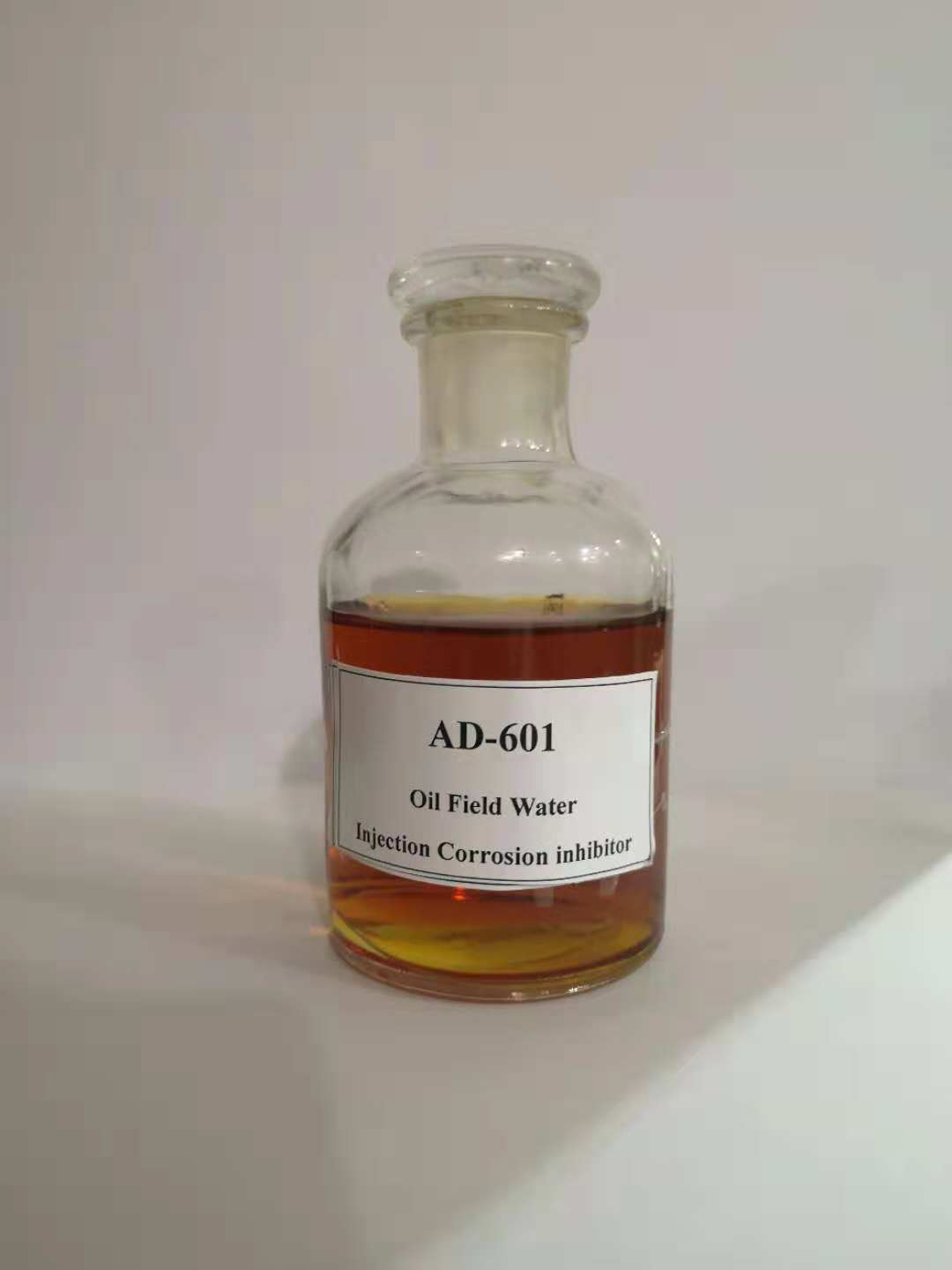
Oil Field Water Injection Corrosion Inhibitor (AD-601)

Oil-Field-Water-Injection-Corrosion-Inhibitor.jpg

This product is compound mainly by imidazoline quaternary ammonium salt with some other corrosion additives, surfactants, etc. It has good corrosion resistance, good solubility, low emulsifying tendency and can be used in combination with many other chemical agents. It can inhibit both uniform corrosion and pitting corrosion It is an ideal corrosion inhibitor for water injection system in oil field.

It is suitable for corrosion prevention of sewage treatment and closed water injection system and dissolved pipeline in high mineralization oil field.

Description

  1. Specifications
Item Index
Appearance Orange-yellow to reddish brown liquid
Density (20℃),g/cm3 0.95-1.05
PH      ≥ 7.0
Condensation point    ℃    ≤ -4.5
Solubility Soluble in water
Corrosion rate,mm/a       ≤ 0.076
  1. Usage

The concentration used is usually 50-100 PPM.

  1. Package and Storage

200kg plastic lined iron drum or 25kg plastic drum package.

Store in a cool, dry place indoors with a shelf life of one year.